
Dry Type Transformers
Ryan Sales represents JST for every dry type transformer application, from VPI units at 100 kVA to cast resin designs at 45 MVA with primaries up to 72.5 kV. Grounding transformers, reactors and data center PDU units round out the line. We support utility, industrial and commercial work in Texas and Oklahoma and data center projects nationwide.
Send the voltage, ampacity and fault duty. A rep will narrow it down.
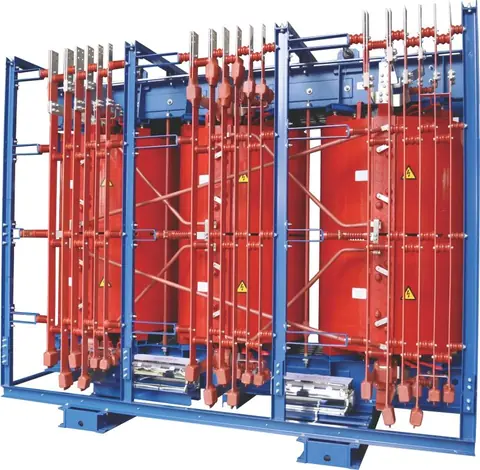 JST Power EquipmentCast Resin (Epoxy) Dry Type TransformerEpoxy-encapsulated dry type transformer for demanding indoor and harsh-environment installations where fire safety matters.
- Maximum voltage
- Up to 72.5 (primary) / up to 15 (secondary) kV
- BIL
- Up to 350 kV
- kVA range
- 300 kVA – 45 MVA
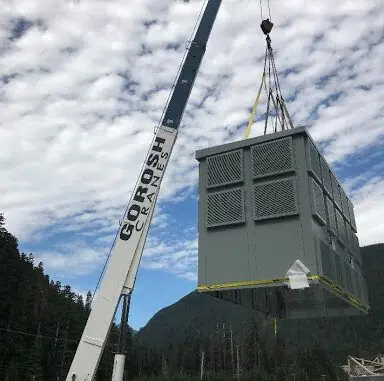 JST Power EquipmentSpecialty & Application-Specific TransformersCustom-engineered transformers and reactors for niche applications, from grounding transformers to EV charger and data center PDU units.
- Configuration
- Reactors and water-cooled reactors; phase shifting transformers; zig-zag/grounding transformers; submersible network transformers; rectifier transformers; LV PDU transformers; EV charger units; MV transformer & switch combos
- Rectifier duty
- Up to 54 pulse
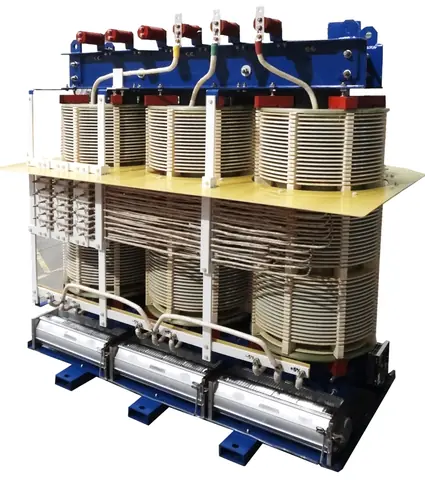 JST Power EquipmentVPI Dry Type TransformerVacuum pressure impregnated dry type transformer offering an economical, environmentally friendly alternative to oil-filled units.
- Maximum voltage
- Up to 25 (primary) kV
- BIL
- Up to 110 kV
- kVA range
- 100 kVA – 14.5 MVA
How to choose dry type transformers
Cast resin or VPI construction
Choose cast resin when the unit faces moisture or contamination or needs a higher voltage class, and VPI when the room is clean and dry and budget leads. The Cast Resin (Epoxy) Dry Type Transformer fully encapsulates its windings in epoxy, which resists humidity and airborne contaminants and holds partial discharge to 10 pC or less. The VPI Dry Type Transformer impregnates NOMEX-insulated windings with varnish under vacuum and pressure, a lighter and more economical build that is self-extinguishing.
Both avoid insulating liquid, so neither needs oil containment, which is why dry types are the default for indoor substations, commercial buildings and data center electrical rooms.
| Model | Primary voltage | Rating | BIL |
|---|---|---|---|
| JST Cast Resin | Up to 72.5 kV | 300 kVA to 45 MVA | Up to 350 kV |
| JST VPI | Up to 25 kV | 100 kVA to 14.5 MVA | Up to 110 kV |
Voltage class and BIL
Match the primary voltage first, then confirm the BIL suits the system's surge exposure. The VPI line covers distribution primaries up to 25 kV; above that, or where a feeder is exposed to lightning and switching surges, the cast resin line's higher voltage and BIL ceiling gives more margin. Dry types generally carry less surge margin than liquid-filled units at the same voltage, so plan surge arresters at the transformer terminals whatever the choice.
Enclosure and environment
Specify the enclosure for where the transformer will actually sit. Cast resin units are available in NEMA 1, 2, 3R, 4 and 4X and marine enclosures, which matters on Gulf Coast plants and outdoor renewable sites where salt air and humidity attack exposed insulation. A VPI unit that sits de-energized in a humid space may need drying before energization, so indoor, climate-controlled rooms suit it best.
Specialty duty: grounding, rectifier and PDU units
If the job is not plain step-down duty, start with the application. Specialty & Application-Specific Transformers cover zig-zag grounding transformers for establishing a ground reference on ungrounded or delta systems, rectifier transformers up to 54-pulse for drives and DC loads, LV PDU transformers for data center white space, EV charger units, reactors and MV transformer and switch combinations. These are engineered per project, so bring the one-line and load profile to the first conversation.
For more detail, read cast resin vs VPI transformers, dry type vs liquid for data centers, medium voltage equipment for data centers and medium voltage equipment lead times, and pair the transformer with metal-clad switchgear and breakers.
Frequently asked questions
Cast resin vs VPI — which is better?
Neither is better in every case; cast resin is sturdier, and VPI is lighter and often costs less. Cast resin transformers seal the windings in epoxy under vacuum, so they resist moisture, dirt and short-circuit forces better and suit harsh sites and higher voltages. VPI (vacuum pressure impregnated) transformers soak the windings in varnish and leave them more open. JST's cast resin line goes up to 72.5 kV primary, and its VPI line goes up to 25 kV.
Dry type vs liquid-filled transformer?
Dry type transformers contain no oil, so they are the usual choice indoors, near people and wherever fire risk and spill containment are concerns. Liquid-filled transformers use oil or ester fluid for cooling and insulation. They are generally more efficient, more compact for a given rating and better at carrying overloads, and they suit outdoor and higher-MVA duty. However, they need containment and fire separation. JST makes both, including cast resin dry types up to 45 MVA.
What are dry type transformer lead times right now?
Dry type transformer lead times depend on factory backlog, the rating and voltage class, how custom the enclosure is, the supply of materials such as core steel and conductor, and how quickly drawings are approved. Standard ratings and early, complete specifications shorten the schedule. Lead times change often, so Ryan Sales can get current factory lead times for JST cast resin and VPI dry type transformers on request.