
Current-Limiting Fuses & Protectors
Ryan Sales supplies current limiting fuse and protector products from G&W Electric, covering 750 V low-voltage systems through 38 kV distribution. The range includes the electronically triggered CLiP, encapsulated full-range fuses, high current limiters and power assisted fuses. Our reps help utilities, plants and contractors in Texas and Oklahoma solve fault duty problems without replacing whole lineups.
Send the voltage, ampacity and fault duty. A rep will narrow it down.
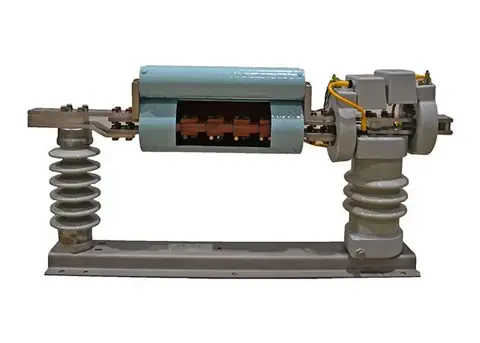 G&W ElectricCLiP Current Limiting ProtectorElectronically triggered current limiting protector interrupting up to 120kA in less than a quarter cycle.
- Voltage class
- 2.8–38 kV
- Continuous current
- Up to 5000 A
- Symmetrical interrupting
- Up to 120 kA
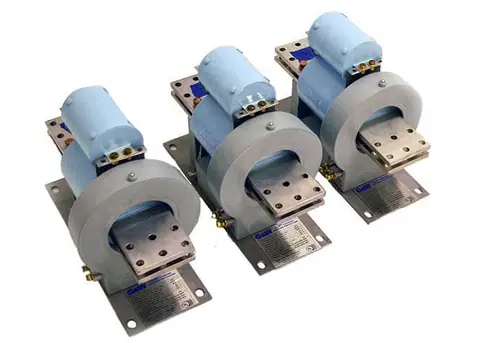 G&W ElectricCLiP-LV Low Voltage Current Limiting ProtectorElectronically sensed low-voltage current limiter clearing faults up to 200kA in a quarter to half cycle.
- Voltage class
- 750 V
- Continuous current
- Up to 4000 A
- Fault interrupting
- Up to 200 kA
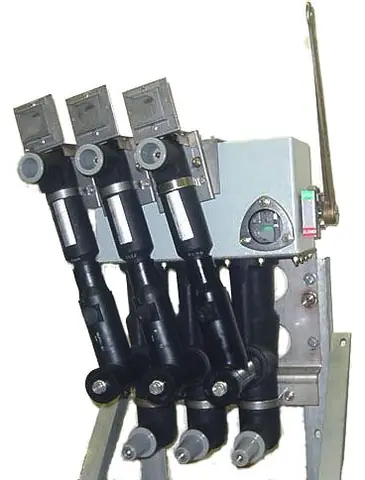 G&W ElectricEncapsulated Current Limiting FusesSubmersible epoxy-encapsulated X-Limiter full-range fuses for padmount, vault and subsurface protection.
- Voltage class
- 15.2 / 26.3 (Gnd-Y) kV
- BIL
- 125 kV
- Continuous current
- 10–125 A
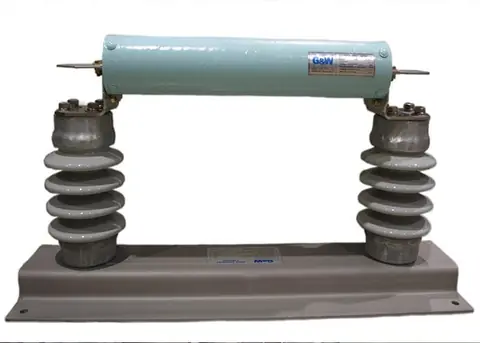 G&W ElectricHigh Current LimitersBackup current limiters with 120kA interrupting for series application with lower-rated interrupters.
- Maximum voltage
- Up to 38 kV
- BIL
- Up to 200 kV
- Continuous current
- Through 50 A
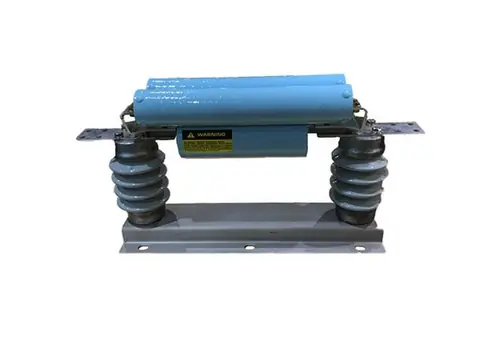 G&W ElectricPower Assisted FusesCommutating current limiting fuses carrying up to 600A continuously with 40-60kA interrupting.
- Voltage class
- 2.8–38 kV
- BIL
- 60–200 kV
- Continuous current
- Up to 600 A
How to choose current-limiting fuses & protectors
Available fault current and interrupting duty
Start with the fault current the device must interrupt, since that is usually why a current limiting device is on the table. A current limiting device forces current to zero before the first peak, which cuts let-through energy and the mechanical stress on everything downstream. When a system upgrade or new source pushes fault duty past existing breaker or bus ratings, the CLiP Current Limiting Protector interrupts up to 120 kA in less than a quarter cycle, often avoiding reactors or a switchgear replacement.
Continuous current
Continuous rating separates these products more than anything else. Conventional current limiting fuses carry modest load current, while triggered and commutating designs carry far more by keeping the fuse element out of the main current path.
| Product | Voltage | Continuous | Interrupting |
|---|---|---|---|
| CLiP | 2.8-38 kV | Up to 5000 A | Up to 120 kA sym |
| CLiP-LV | 750 V | Up to 4000 A | Up to 200 kA |
| Power Assisted Fuses | 2.8-38 kV | 600 A max | 40/60 kA sym |
| High Current Limiters | Up to 38 kV | Through 50 A | Up to 120 kA sym |
| Encapsulated CL Fuses | 15.2/26.3 kV Gnd-Y | 10-125 A | Not listed |
Full-range, backup or triggered protection
Match the fuse type to the job. A full-range fuse clears any current that melts its element, while a backup (partial-range) limiter only clears high faults and must be paired with an expulsion fuse or other device for low-level overloads. The High Current Limiters are backup limiters applied in series with lower-rated interrupters and on transformer tertiary windings. The Power Assisted Fuses use commutation to reach 600 A continuous for metal-enclosed installations on high fault systems.
Low-voltage switchboards
The CLiP-LV brings the same approach to 750 V class systems, clearing up to 200 kA in a quarter to half cycle with trip levels to 30 kA instantaneous. It fits distributed generation interconnections and switchboards where added sources have pushed fault current past equipment ratings.
Installation environment
For padmount, vault and subsurface transformers, the Encapsulated Current Limiting Fuses are submersible and epoxy encapsulated, rated 125 kV BIL and built to IEEE 386 interfaces, so they fit tight underground spaces without a separate fuse enclosure.
For deeper background, read What Is a Current Limiting Protector, see Padmount Switchgear for underground protection options, or request a quote.
Frequently asked questions
What is a current limiting protector (CLiP)?
A current limiting protector (CLiP) is a G&W Electric device that cuts off a fault before its first current peak. It senses a fault's fast rise in current and fires a small charge that opens the main conductor. The current then moves to a parallel current-limiting fuse, which interrupts it in less than a cycle. That lets existing equipment stay in service where fault levels have grown. CLiP is rated at 2.8 to 38 kV, up to 5000 A continuous and up to 120 kA interrupting.
Current-limiting vs expulsion fuse?
A current-limiting fuse interrupts a fault before the first current peak, while an expulsion fuse lets that peak through and clears at a current zero. The current-limiting fuse's sand-filled element melts and builds arc voltage that forces the current down. That reduces the energy let through and involves no venting. An expulsion fuse clears by forcing gas and arc products out of its tube, which is loud and needs clearance space, but it is simple and low cost. G&W makes encapsulated current-limiting fuses.
When do you need a fault current limiter?
You need a fault current limiter when the available fault current is higher than what existing breakers, bus or cables can handle, and replacing that equipment is impractical. This often happens after adding generation, installing larger transformers, paralleling sources or closing a bus tie. A limiter cuts fault current before it reaches damaging levels. G&W's CLiP and High Current Limiters are rated up to 120 kA symmetrical interrupting, and Power Assisted Fuses cover up to 600 A continuous.