
Transmission Line Monitoring & Line Rating
Dynamic line rating starts with knowing what your conductors are actually doing. Ryan Sales represents Lindsey transmission line monitoring, from live-line conductor monitors rated through 765 kV to SMARTLINE rating software, tower security monitors and wildfire detection. Our reps work with transmission owners and utilities in Texas and Oklahoma to scope sensors, rating software and deployment.
Send the voltage, ampacity and fault duty. A rep will narrow it down.
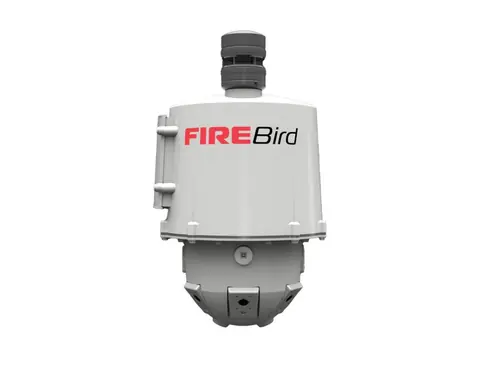 Lindsey SystemsFIREBird Wildfire Detection SystemEarly wildfire detection system for utility rights-of-way from Lindsey FireSense.
- Detection
- Right-of-way wildfire detection; early ignition alerting
- Application
- Utility-grade deployment
 Lindsey SystemsSMARTLINE-AAR/881 Ambient Adjusted RatingsFERC Order 881 compliant ambient adjusted rating and forecast system.
- Ratings
- Ambient adjusted ratings and forecasts
- Update interval
- Hourly
- Upgrade path
- Dynamic line rating
Lindsey SystemsSMARTLINE-GT Digital Twin Rating PlatformDigital twin transmission line rating platform delivering seasonal, real-time, and forecast ratings with sensor-based or sensorless DLR.- Ratings
- Seasonal / real-time / forecast
- DLR mode
- Sensor-based or sensorless
- Modules
- Conductor asset health
Lindsey SystemsSMARTLINE-TCF Capacity ForecastingTransmission capacity forecasting system producing DLR forecasts at 98%+ confidence from one hour to one week ahead.- Forecast confidence
- 98+ %
- Forecast horizon
- One hour – one week
- Integration
- Day-ahead and real-time markets
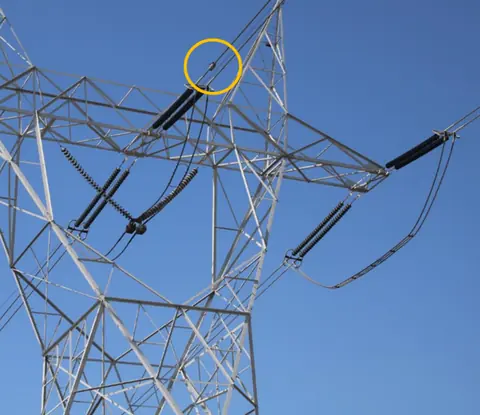 Lindsey SystemsTower Line Security MonitorSelf-powered tower security monitors that detect steel cutting, bolt removal, and intrusion on transmission towers.
- Detection
- Vibration and infrared
- Power source
- Self-powered
- Communications
- Satellite
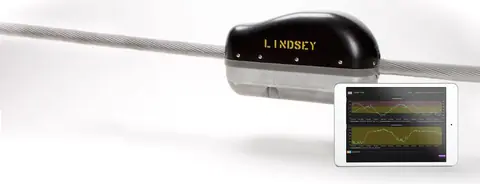 Lindsey SystemsTransmission Line Conductor MonitorSelf-powered, satellite-connected conductor monitor measuring clearance-to-ground, sag, temperature, current, and vibration through 765 kV.
- Maximum voltage
- 765 kV
- Measurements
- Clearance-to-ground (LiDAR); conductor temperature; current; inclination/sag; vibration
- Power source
- Self-powered
How to choose transmission line monitoring & line rating
Ambient adjusted ratings or full dynamic line rating
Decide first whether you need ambient adjusted ratings, full dynamic line rating, or a path from one to the other. Ambient adjusted ratings update a line's limit for forecast air temperature, while dynamic line rating also accounts for wind, solar heating and measured conductor behavior, which usually releases more capacity. The SMARTLINE-AAR/881 Ambient Adjusted Ratings system provides hourly rating updates and an upgrade path to DLR, so a utility can start with AAR and add DLR on the lines where it pays.
Sensor-based or sensorless ratings
Choose sensor-based ratings where you need measured conductor data, and sensorless ratings where weather modeling is enough. The SMARTLINE-GT Digital Twin Rating Platform supports both, using a digital twin of the line with weather data. Sensors add confidence on critical spans, especially where terrain or sheltering makes weather-only models less reliable.
What the sensor measures and how it reports
Look at which quantities the monitor captures and how the data gets back. The Transmission Line Conductor Monitor is live-line installable through 765 kV, is self-powered, and measures LiDAR clearance-to-ground, conductor temperature, current, sag and vibration. It reports over Iridium satellite, which removes the need for cellular coverage along remote corridors.
| Product | Type | Main output |
|---|---|---|
| Transmission Line Conductor Monitor | Line-mounted sensor | Clearance, temperature, current, sag, vibration |
| SMARTLINE-GT | Rating software | Seasonal, real-time and forecast ratings |
| SMARTLINE-TCF | Forecasting software | DLR forecasts, one hour to one week ahead |
| SMARTLINE-AAR/881 | Rating software | Hourly ambient adjusted ratings and forecasts |
Forecast horizon and market use
Match the forecast horizon to how operators will use the rating. Real-time ratings help relieve congestion as it happens, while day-ahead and longer forecasts are what schedulers and market operations need. SMARTLINE-TCF Capacity Forecasting produces forecasts from one hour to one week ahead at a stated 98%+ confidence, with day-ahead and real-time market integration.
Security and right-of-way risk
Consider physical threats to the line alongside its thermal limits. The Tower Line Security Monitor detects steel cutting, bolt removal and intrusion on lattice towers and sends alerts by email or SMS. For fire-prone corridors, the FIREBird Wildfire Detection System provides early ignition alerts on utility rights-of-way.
For background, read FERC Order 881 Line Ratings and Grid Equipment for Wildfire Mitigation, and see our voltage and current sensors for distribution-level monitoring.
Frequently asked questions
What is FERC Order 881?
FERC Order 881 is a Federal Energy Regulatory Commission rule that requires transmission providers to use ambient-adjusted ratings (AARs) for lines in transmission service, instead of relying only on static ratings. AARs change with forecast air temperature and are updated at least hourly. The order also requires seasonal ratings and ways to share ratings data. Lindsey's SMARTLINE-AAR/881 provides ambient adjusted ratings and forecasts for Order 881 compliance, with an upgrade path to dynamic line rating.
Dynamic line rating vs ambient adjusted rating?
An ambient-adjusted rating (AAR) changes a line's capacity based on air temperature, while assuming conservative wind and sun. A dynamic line rating (DLR) uses real-time or modeled conditions, including wind, which cools conductors most. As a result, DLR usually shows more usable capacity than AAR, but it needs sensors or detailed weather modeling. Lindsey's SMARTLINE-GT platform provides seasonal, real-time and forecast ratings, with sensor-based or sensorless DLR.
How do utilities monitor conductor sag?
Utilities monitor conductor sag with sensors mounted on the line that measure conductor temperature, current, inclination and clearance to ground. They also use periodic LiDAR surveys and calculations based on temperature. Real-time monitoring shows how close a line is to its clearance limit as loading and weather change. Lindsey's Transmission Line Conductor Monitor installs on live lines through 765 kV and measures clearance to ground by LiDAR, along with temperature, current, sag and vibration.