
Power Transformers & Packaged Substations
Ryan Sales represents JST for substation transformer projects, from liquid-filled power transformers rated 5 to 600 MVA at up to 500 kV to factory-integrated medium voltage packaged unit substations. We support utility, generation, renewable and industrial projects in Texas and Oklahoma and data center substations nationwide.
Send the voltage, ampacity and fault duty. A rep will narrow it down.
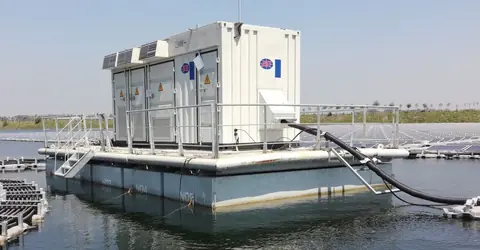 JST Power EquipmentMedium Voltage Packaged Unit SubstationFactory-integrated prefabricated substation combining HV/LV switchgear, transformer, metering, and power factor compensation in one enclosure.
- Configuration
- Integrated HV/LV switchgear, distribution transformer, energy metering and power factor compensation
- Construction
- Modular, prefabricated; factory tested
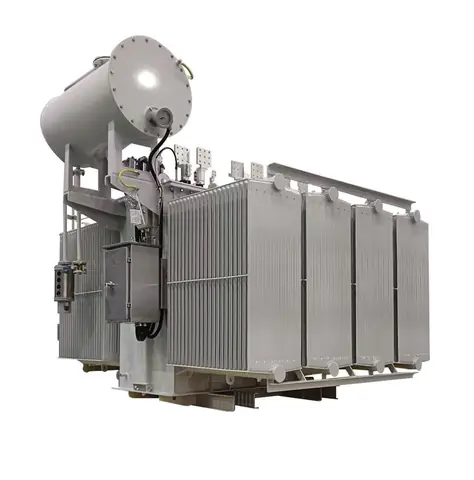 JST Power EquipmentPower TransformerLiquid-filled power transformers up to 600 MVA for substation, generation, and transmission step-up and step-down duty.
- Maximum voltage
- Up to 500 kV
- BIL
- Up to 1800 kV
- MVA range
- 5–600 (with fans) MVA
How to choose power transformers & packaged substations
MVA rating and cooling stages
Size the transformer on its self-cooled rating and treat fan stages as capacity for peaks and contingencies. The JST Power Transformer spans 5 MVA to 600 MVA with fans. Forced cooling raises the nameplate, but running continuously at the top rating shortens the margin for an outage of a parallel unit, so N-1 planning on a data center or collector substation should drive the base rating.
Voltage class, BIL and tap changers
Start from the transmission voltage and the utility's insulation coordination, then decide how voltage will be regulated. JST builds up to 500 kV with BIL up to 1800 kV. A no-load tap changer (NLTC) is simpler and needs less maintenance, but can only change ratio while de-energized. An on-load tap changer (OLTC) regulates under load, which matters when the source voltage swings or when the substation must hold a tight secondary voltage for sensitive load.
Insulating fluid
Pick the fluid on fire risk, environmental exposure and owner preference. Mineral oil is the long-standing default and the most economical. Natural ester has a much higher fire point and is biodegradable, which can reduce fire separation and spill concerns near buildings or waterways. Synthetic fluids are another option where specific fire or environmental requirements apply. JST offers all three.
Shipping weight and site logistics
Check the route and the pad before the design is final. JST's maximum manufacturing weight is 100 tons, and heavy haul permits, rail access and crane capacity at the site all shape what can actually be delivered. Large units may ship oil-drained and be dressed and filled on site.
Packaged substation or discrete equipment
For medium voltage services, a packaged substation trades design flexibility for speed and a single point of responsibility. The Medium Voltage Packaged Unit Substation integrates HV and LV switchgear, a distribution transformer, metering and power factor compensation in one factory-tested enclosure, which cuts field wiring and commissioning time on solar farms and industrial sites. Solar and wind collector substations often also need system grounding, which JST's zig-zag grounding transformers address.
For planning context, see medium voltage equipment lead times and medium voltage equipment for data centers, and pair the transformer with our gas insulated switchgear.
Frequently asked questions
How long are power transformer lead times in 2026?
Power transformer lead times depend on MVA and voltage class, the tap changer, the cooling and fluid type, the supply of core steel and bushings, testing needs, and factory backlog. Getting specifications final early, approving drawings quickly and allowing flexibility on non-critical features all shorten the schedule. Lead times change often, so Ryan Sales can get current factory lead times for JST power transformers on request.
What is a packaged unit substation?
A packaged unit substation is a factory-built assembly that combines medium voltage switchgear, a distribution transformer and low voltage switchgear or distribution in one coordinated unit. Because it is designed and tested as a system, it cuts field wiring, installation time and coordination between trades. JST's medium voltage packaged unit substation adds metering and power factor compensation, uses modular prefabricated construction and is factory tested.
GSU vs substation transformer?
A generator step-up (GSU) transformer raises a generator's output voltage to transmission level, while a substation transformer lowers transmission or sub-transmission voltage for distribution. GSUs run near full load continuously and are built for the generator's rating, often without an on-load tap changer. Substation transformers see changing load and usually use an on-load tap changer (OLTC) to regulate voltage. JST power transformers go up to 500 kV and 600 MVA, with NLTC or OLTC options.